Baked sourdough pretzels bring together two time-honored traditions: natural sourdough fermentation and classic pretzel baking. The result is a snack that offers depth of flavor, satisfying texture, and a level of craftsmanship that sets it apart from ordinary pretzels. As more people seek snacks made with simple ingredients and traditional methods, baked sourdough pretzels have gained attention for both their taste and the process behind them.
This guide explores everything you need to know about baked sourdough pretzels, from how they are made to why they taste different, how fermentation impacts flavor and texture, and what to look for when choosing a high-quality product. Whether you are a curious consumer or a devoted pretzel fan, this will give you a complete understanding of what makes baked sourdough pretzels so special!
What Are Baked Sourdough Pretzels
At their core, baked sourdough pretzels are made with naturally fermented sourdough starter and baked in the oven rather than fried. While that may sound simple, the combination of fermentation, baking, and pretzel shaping creates a snack with distinct characteristics.
Defining Sourdough in Pretzel Making
Sourdough refers to dough that is fermented using wild yeast and naturally occurring bacteria rather than commercial yeast. This fermentation process develops slowly, allowing flavors to deepen over time. In pretzel making, sourdough fermentation contributes subtle tanginess, improved texture, and a more complex overall taste.
Unlike quick-rise doughs, sourdough dough evolves gradually. This slower process affects how the pretzels bake, how they crunch, and how they taste long after they come out of the oven.
How Baked Sourdough Pretzels Differ from Other Pretzels
Baked sourdough pretzels differ from standard pretzels in several key ways:
- A more complex, slightly tangy flavor
- A firm, crisp exterior created through baking
- A structured interior that balances crunch and chew
- A cleaner ingredient profile rooted in traditional methods
These differences are not accidental. They are the result of time, technique, and attention to detail.
The History and Tradition of Sourdough Pretzels
To understand baked sourdough pretzels, it helps to look at the origins of both sourdough and pretzels.
Origins of Sourdough Baking
Sourdough is one of the oldest forms of leavened bread. Long before commercial yeast existed, bakers relied on wild yeast from the environment to ferment dough. This method was passed down through generations because it worked reliably and produced flavorful results.
Fermentation allowed bread to rise naturally while improving taste and texture. Over time, sourdough became associated with craftsmanship and patience, values that still resonate today.
How Sourdough Became Part of Pretzel Traditions
Pretzels have deep roots in European baking traditions, particularly in regions where bread-making was central to daily life. It was natural for bakers to apply sourdough techniques to pretzels, especially when baking large batches meant flavor consistency mattered.
The combination of sourdough fermentation and pretzel shaping created a snack that was durable, flavorful, and satisfying. Baking pretzels instead of frying them further enhanced their shelf stability and texture.
The Sourdough Fermentation Process
Fermentation is the heart of baked sourdough pretzels. Without it, the pretzels would lose much of what makes them distinctive.
What Happens During Fermentation
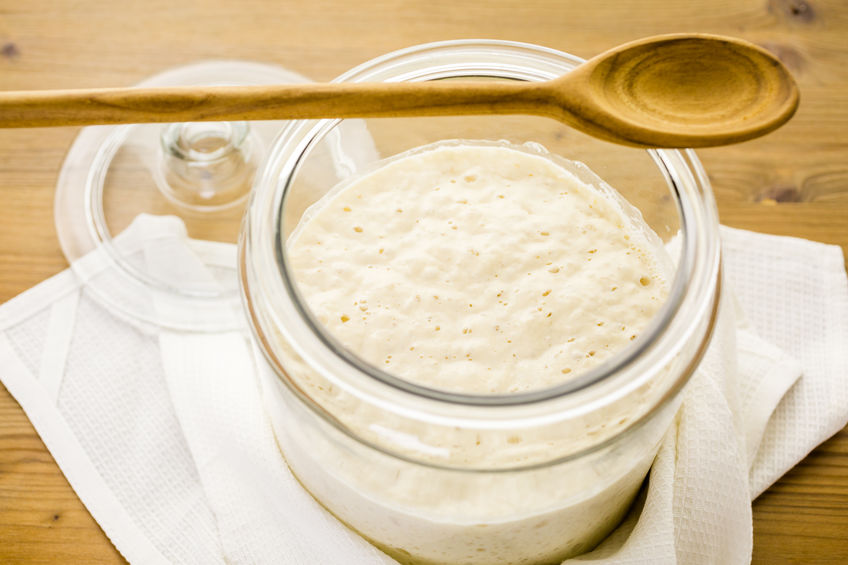
During fermentation, wild yeast and beneficial bacteria consume sugars in the dough. As they do, they produce gases and organic acids that change the dough’s structure and flavor.
This process creates:
- Natural leavening
- Improved dough elasticity
- Subtle tangy notes
- A more developed aroma
Fermentation is not rushed. Time allows flavors to emerge gradually, resulting in a finished pretzel that tastes layered rather than flat.
Time, Temperature, and Dough Development
Fermentation depends on both time and temperature. Slower fermentation at controlled temperatures allows the dough to mature evenly. This impacts how the pretzels bake, how they brown, and how they feel when eaten.
Well-fermented dough produces pretzels with consistent texture and balanced flavor, which is why fermentation is so closely guarded in traditional baking environments.
Why Baking Matters in Sourdough Pretzels
Baking plays an equally important role in defining baked sourdough pretzels.
Baked vs Fried Pretzels
Some pretzels are fried, which creates a different texture and flavor. Fried pretzels tend to be heavier and oil-forward. Baked sourdough pretzels, by contrast, rely on dry heat to develop their structure.
Baking allows moisture to escape gradually, concentrating flavor and creating a crisp exterior without added oils. This method highlights the dough itself rather than masking it.
The Role of Oven Baking in Crunch and Color
Baking triggers the Maillard reaction, which is responsible for the rich golden color and toasted flavor of pretzels. Proper baking produces:
- Even browning
- Crisp outer texture
- Stable structure for storage
- A clean finish that enhances flavor
The bake is what locks in the results of fermentation and transforms dough into a finished pretzel.
Flavor Profile of Baked Sourdough Pretzels
Flavor is where baked sourdough pretzels truly stand out.
Tangy Notes from Fermentation
The sourdough process introduces mild acidity that gives baked sourdough pretzels their signature tang. This tang is not overpowering. Instead, it adds depth and balances the salt traditionally associated with pretzels.
Balancing Salt, Dough, and Bake
Salt enhances flavor, but in baked sourdough pretzels, it works in harmony with fermentation and baking. The result is a snack that tastes rich without being overwhelming and savory without being harsh.
Texture and Structure
Texture is just as important as flavor.
Crunch on the Outside
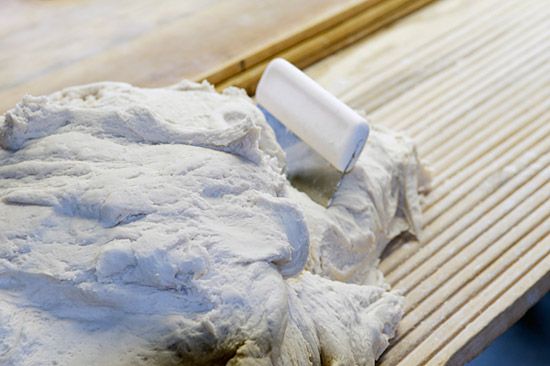
Baked sourdough pretzels are known for their firm crunch. This comes from:
- Low moisture content
- Controlled baking
- Well-developed dough structure
The crunch is clean and satisfying, not brittle or greasy.
Chew and Density Inside
Inside the pretzel, fermentation creates a tight crumb that resists collapsing. This gives baked sourdough pretzels a pleasant chew that complements the exterior crunch.
Ingredients That Matter
High-quality baked sourdough pretzels rely on simple ingredients.
Flour Selection
Flour quality impacts fermentation and structure. Strong flours support fermentation without breaking down, allowing dough to develop properly.
Water, Salt, and Simplicity
Water activates fermentation. Salt controls it. Together, they create balance. Baked sourdough pretzels do not rely on unnecessary additives. Simplicity is part of their appeal.
Are Baked Sourdough Pretzels a Better Snack Choice?
Many people choose baked sourdough pretzels because they feel more intentional than heavily processed snacks.
Digestibility and Fermentation
Fermentation can make grains easier to digest for some people. The process naturally breaks down certain compounds, which is why sourdough products are often favored.
Baking vs Processing
Baked sourdough pretzels avoid heavy processing and frying. They rely on technique rather than shortcuts, which appeals to those seeking more traditional foods.
Popular Uses for Baked Sourdough Pretzels
Baked sourdough pretzels are versatile.
Everyday Snacking
They work well as a standalone snack, offering flavor and crunch without fuss.
Entertaining and Sharing
Their sturdy texture makes them ideal for serving with dips, cheeses, and spreads.
Gifting and Seasonal Occasions
Their handcrafted nature and long shelf life make baked sourdough pretzels a popular gift option.
How to Choose High-Quality Baked Sourdough Pretzels
Not all sourdough pretzels are created equal.
Signs of Authentic Fermentation
Look for pretzels that reference fermentation time, starter use, or traditional methods rather than vague claims.
What to Look for on Ingredient Labels
Short ingredient lists are often a good sign. Flour, water, salt, and starter indicate authenticity.
Why Baked Sourdough Pretzels Stand Apart
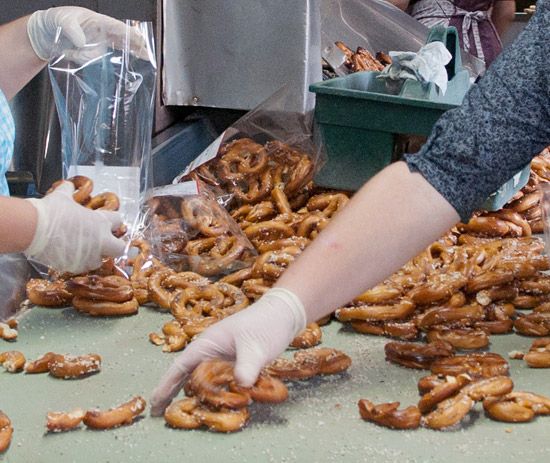
Baked sourdough pretzels represent a thoughtful approach to snacking. They bring together time-tested fermentation, careful baking, and simple ingredients to create a pretzel with depth of flavor, satisfying crunch, and lasting quality. From the subtle tang developed during fermentation to the crisp texture achieved through baking, every step of the process contributes to a snack that feels intentional rather than mass-produced.
Understanding how baked sourdough pretzels are made allows you to appreciate the craftsmanship behind each batch. Whether enjoyed as an everyday snack, shared with guests, or included in a gift, they offer a balance of tradition and taste that continues to resonate with modern snack lovers.
Try Baked Sourdough Pretzels from Uncle Henry’s Pretzel Bakery
If you’re ready to experience the flavor, texture, and craftsmanship that set baked sourdough pretzels apart, Uncle Henry’s Pretzel Bakery is here for you. We bake our sourdough pretzels using traditional fermentation methods and simple ingredients, creating a crisp, satisfying pretzel with the depth of flavor true sourdough is known for.
Our baked sourdough pretzels are made with care from start to finish and are available alongside a wide variety of other handcrafted pretzels to suit every taste. Whether you’re stocking your pantry, planning a gathering, or looking for a thoughtful gift, you’ll find pretzels made to deliver consistent quality and flavor.
Visit our online shop to explore our full selection of baked sourdough pretzels and other pretzel varieties, or contact us with any questions. We’re always happy to help you choose the right pretzels for any occasion!