Pretzels might seem simple at first glance, but the way they’re made has a bigger impact than most people realize. The difference between a baked pretzel and one made using faster or alternative methods can completely change the flavor, texture, and overall experience.
From the first bite, baked sourdough pretzels offer a crispness and depth that stand apart. That difference comes down to the process. Baking allows the dough to develop fully, creating a more balanced and satisfying snack that reflects traditional craftsmanship rather than shortcuts.
What Are Traditional Pretzels
The term “traditional pretzels” can mean different things depending on context. In many cases, it refers to pretzels made with older recipes and classic shaping techniques. However, in modern snack production, traditional pretzels can also be mass-produced or finished using methods that prioritize speed and efficiency over craftsmanship.
Some pretzels are fried or processed in ways that change their texture and flavor. Others are made quickly using commercial yeast without the added step of fermentation. While these methods can produce a consistent product, they often result in a pretzel that lacks depth and character.
What Makes Baked Pretzels Different
Baked pretzels rely on dry heat from an oven to develop their structure and flavor. This process allows the dough to transform gradually, creating a crisp exterior while maintaining a firm, satisfying bite.
In baked sourdough pretzels, the baking process works hand in hand with fermentation. The flavors developed during fermentation are preserved and enhanced during baking, resulting in a pretzel that tastes more complex and well-balanced.
Because baking removes moisture slowly, it also helps create a longer-lasting product that maintains its texture over time.
Texture Differences You Can Taste
One of the most noticeable differences between baked and traditional pretzels is texture.
Baked Pretzels
Baked pretzels are known for their clean, crisp crunch. The texture is firm but not brittle, making them easy to bite into without feeling overly hard or greasy. This crunch comes from controlled baking that evenly removes moisture from the dough.
Fried or Processed Pretzels
Fried or heavily processed pretzels often have a different mouthfeel. They may feel heavier or slightly oily, and the texture can be less consistent. In some cases, the crunch is sharper or less natural, lacking the balance that baking provides.
For many people, the texture of baked pretzels feels more satisfying and enjoyable over time.
Flavor Differences Between Baking and Other Methods
Flavor is another area where baking makes a clear difference.
Baked Pretzels
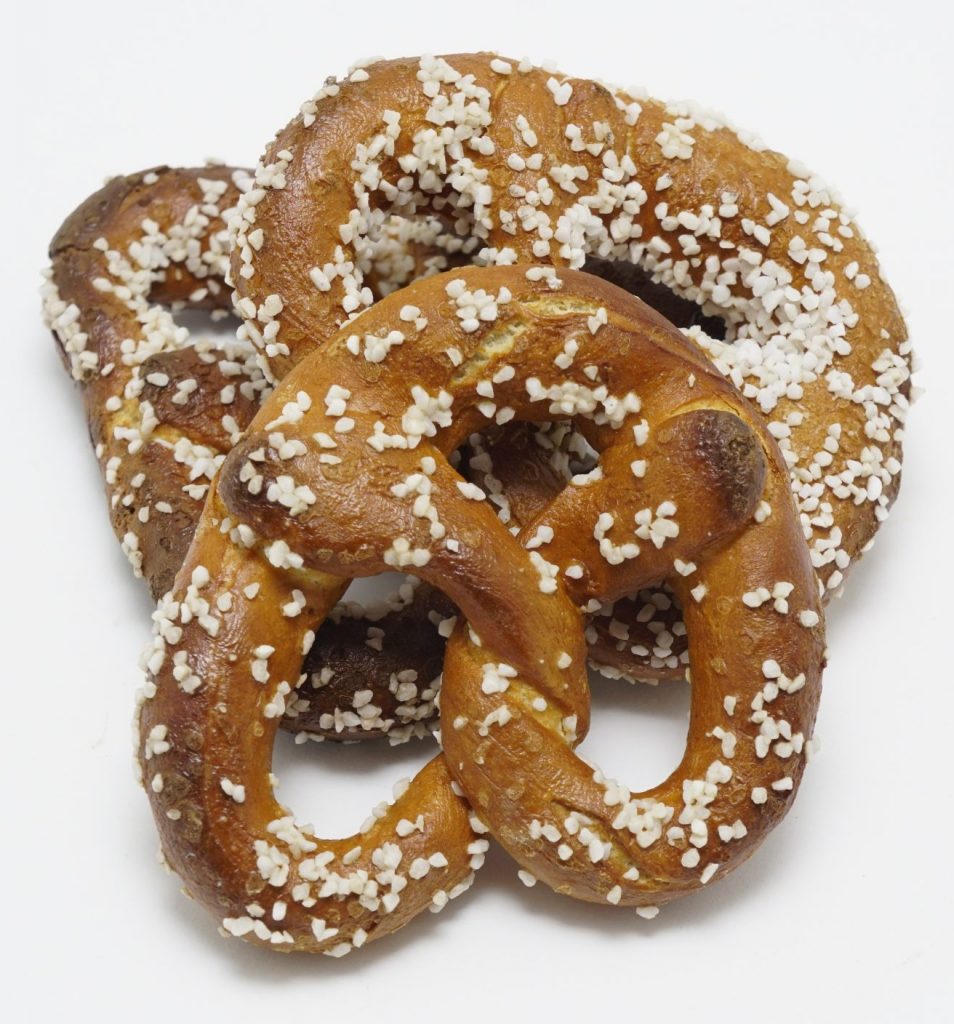
Baking enhances the dough’s natural flavor. As pretzels bake, they develop a rich, toasted flavor and their signature golden color. When combined with sourdough fermentation, this creates a layered flavor that includes subtle tang, salt, and warmth.
Other Methods
Pretzels made with faster processes or alternative finishing methods may not develop the same depth of flavor. Without fermentation and proper baking, the taste can feel one-dimensional or overly salty, lacking balance.
Baking allows the ingredients and fermentation process to shine rather than masking them.
Why Baking Supports Better Ingredients
Baked pretzels often rely on simpler, more traditional ingredient lists. Because the baking process highlights flavor rather than covering it up, there is less need for additives or enhancements.
This makes baked sourdough pretzels appealing to those who value straightforward ingredients and time-tested methods. The focus stays on flour, water, salt, and fermentation rather than shortcuts.
Shelf Life and Freshness
Another benefit of baking is its effect on shelf life.
Baked pretzels are naturally more stable because moisture is reduced during baking. This helps them maintain their crisp texture for longer periods without becoming stale too quickly.
In contrast, pretzels made by other methods may lose their ideal texture more quickly or require additional processing to maintain consistency.
Why Baking Works So Well with Sourdough Pretzels
Baking and sourdough fermentation complement each other perfectly. Fermentation develops flavor and strengthens the dough, while baking locks in those qualities and creates the final texture.
Because baked sourdough pretzels are not fried, the natural tang and complexity from fermentation remain at the forefront. The result is a pretzel that feels both traditional and refined, offering a more complete snacking experience.
Choosing the Right Pretzel for Your Preferences
When deciding between baked and other types of pretzels, it comes down to what you value most in a snack.
If you are looking for something with:
- A crisp, clean texture
- Balanced, developed flavor
- Simple ingredients
- A more traditional approach to baking
Then baked sourdough pretzels are a strong choice.
They offer a combination of taste and texture that reflects care and craftsmanship rather than convenience.
Taste the Difference Baking Makes

There’s a reason baked sourdough pretzels stand out the moment you try them. The combination of slow fermentation and careful baking creates a texture and flavor that simply can’t be rushed.
At Uncle Henry’s Pretzel Bakery, we’ve been following that approach since 1983, crafting pretzels in Lancaster County, Pennsylvania, using traditional methods and simple ingredients. Every batch is hand-twisted, baked to the right level of crunch, and made with the kind of consistency that comes from decades of experience.
If you’re looking for a pretzel that delivers on both flavor and texture, it’s worth trying one made the right way. Take a look at our selection online and find a variety that fits your taste, whether you prefer something classic or more unique.