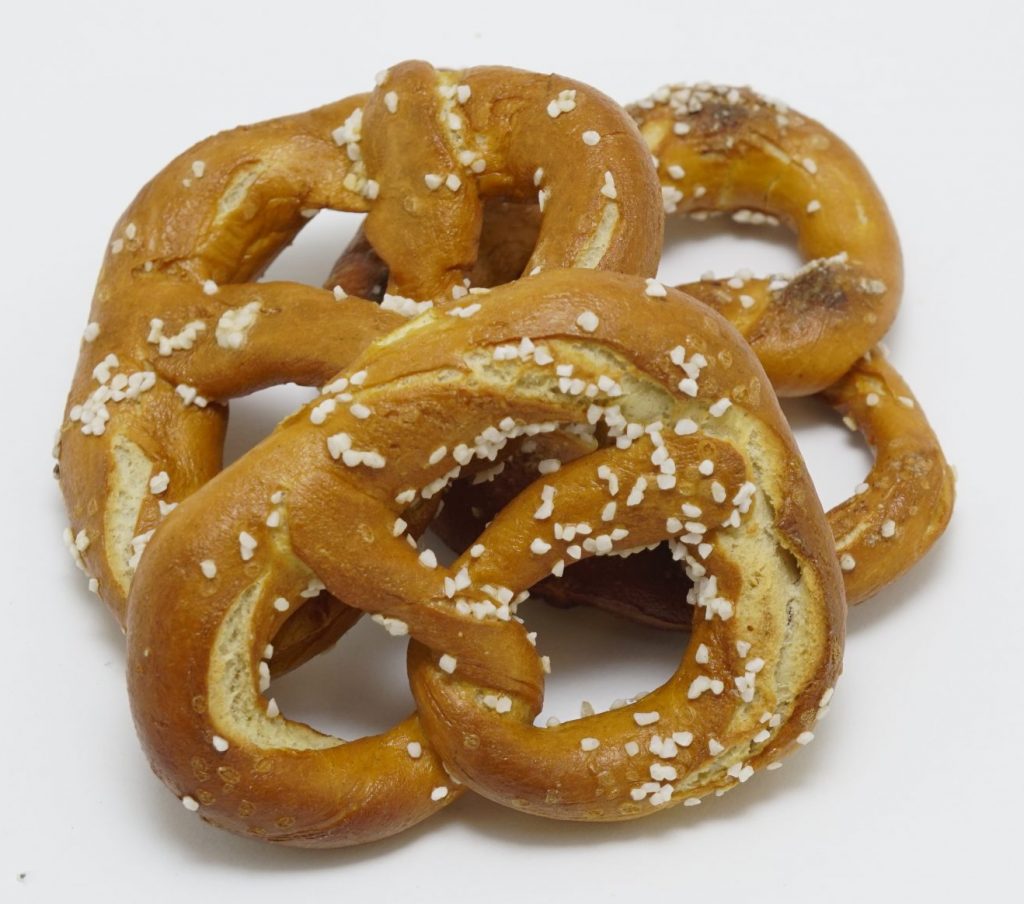
When it comes to baked sourdough pretzels, fermentation is where the magic truly begins. While baking gives pretzels their crisp texture and golden color, fermentation is responsible for the depth of flavor and structure that set sourdough pretzels apart from standard varieties. Understanding how the fermentation process works helps explain why baked sourdough pretzels taste richer, feel more satisfying, and stand out as a more thoughtfully made snack.
Let’s take a closer look at the sourdough fermentation process and why it plays such an important role in the quality of baked sourdough pretzels.
What Is Sourdough Fermentation
Sourdough fermentation relies on wild yeast and naturally occurring bacteria rather than commercial yeast. These microorganisms live in the sourdough starter and begin breaking down the dough as soon as water and flour are combined. This process happens gradually, allowing flavors and structure to develop over time.
Unlike fast-rise doughs, sourdough dough changes slowly. As it ferments, the dough becomes more elastic, more aromatic, and more flavorful. This slow transformation is what gives baked sourdough pretzels their distinct character.
Wild Yeast vs Commercial Yeast
One of the key differences between sourdough pretzels and standard pretzels is the type of yeast used.
Commercial yeast is designed to work quickly. It produces gas rapidly, causing dough to rise quickly but limiting flavor development. Wild yeast, on the other hand, works more slowly. It produces gas gradually while also creating organic acids that contribute to flavor and texture.
In baked sourdough pretzels, wild-yeast fermentation allows the dough to fully mature before baking. This leads to a more balanced taste and a more stable structure once the pretzels are baked.
How Fermentation Develops Flavor
Flavor development is one of the most noticeable benefits of sourdough fermentation. As wild yeast and bacteria feed on the sugars in the dough, they create mild acidity and complex flavor compounds.
These compounds are responsible for the subtle tang associated with sourdough pretzels. The tang is not overpowering but instead adds depth that enhances the salt and toasted notes created during baking. Without fermentation, pretzels often taste flat or one-dimensional.
The longer the fermentation is allowed to proceed under controlled conditions, the more nuanced the final flavor becomes.
The Impact of Fermentation on Texture
Fermentation does more than improve flavor. It also affects how baked sourdough pretzels feel when you bite into them.
As dough ferments, its gluten structure strengthens and becomes more elastic. This improved structure allows pretzels to hold their shape during baking while still developing a satisfying crunch. Inside the pretzel, fermentation creates a tight, uniform crumb that resists collapsing or becoming overly dense.
This balance between crunch and chew is a hallmark of well-fermented baked sourdough pretzels.
Time and Temperature Matter
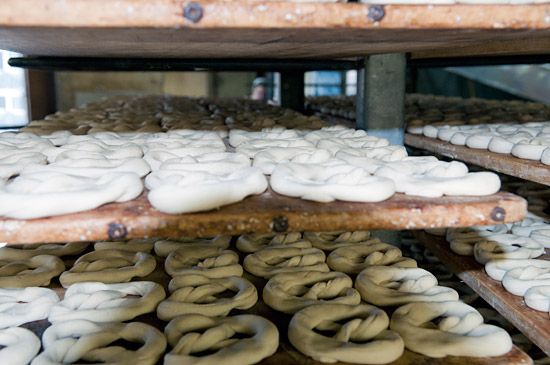
Fermentation is influenced heavily by time and temperature. Too little time and the dough will not fully develop. Too much heat and fermentation can become uneven or overly acidic.
Skilled bakers carefully manage fermentation conditions to ensure consistency. Slower fermentation at moderate temperatures allows the dough to develop gradually, resulting in pretzels that bake evenly and taste balanced.
This attention to fermentation timing is one of the reasons baked sourdough pretzels differ so noticeably from mass-produced snacks.
Fermentation and Digestibility
Many people find sourdough products easier to digest than those made with commercial yeast. Fermentation naturally breaks down certain compounds in the grain, which can make baked sourdough pretzels feel lighter and more comfortable to eat for some individuals.
While sourdough pretzels are still a snack, the fermentation process adds an extra layer of consideration that appeals to people seeking more traditional food preparation methods.
Why Fermentation Works Especially Well for Pretzels
Pretzels are uniquely suited for sourdough fermentation. Their shape, baking method, and low moisture content allow fermented dough to shine. Baking locks in the results of fermentation, preserving flavor and texture while creating a crisp exterior.
Because pretzels are baked rather than fried, the flavors developed during fermentation are not masked by oil. This allows the sourdough character to remain front and center.
Signs of Well-Fermented Sourdough Pretzels
High-quality baked sourdough pretzels often share a few common traits:
- A subtle tang rather than strong sourness
- Even browning after baking
- A firm crunch without brittleness
- A balanced flavor that lingers without being overwhelming
These qualities indicate fermentation was given proper time and care.
Experience the Difference of Sourdough Fermentation
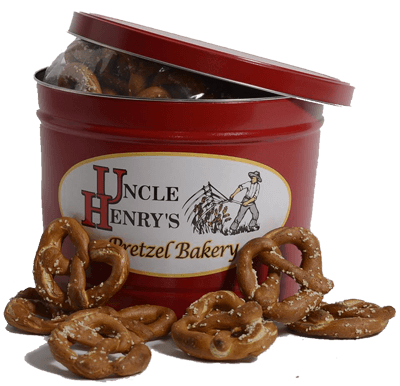
At Uncle Henry’s Pretzel Bakery, sourdough fermentation is not a trend; it’s part of a long-standing commitment to doing things the right way. Our bakery has been family-owned and operated since 1983, rooted in Lancaster County, Pennsylvania, where pretzel-making is a true tradition. From the beginning, our focus has been on using time-tested methods, simple ingredients, and careful attention to detail to produce pretzels with consistent quality and authentic flavor.
Our baked sourdough pretzels are hand-twisted, slowly fermented, and baked to achieve the crisp texture and subtle tang that sourdough is known for. Each batch reflects the same craftsmanship and care that has guided our bakery for decades.
If you’re ready to taste the difference that traditional fermentation and small-batch baking make, visit our online shop to browse all available pretzels, and contact us with any questions. Find the right pretzels for your pantry, table, or gift list today.