The pretzel is one of the most recognizable snacks in the world, and much of that comes down to its unique shape. With its familiar loops and twists, the pretzel stands out instantly on shelves, in snack bowls, and at bakeries. But that shape is not just for looks. It has a long history, several different origin stories, and even practical benefits that still matter today.
The Story Behind the Pretzel Shape
One of the most well-known stories about the pretzel’s shape dates back centuries. According to tradition, European monks created pretzels as a reward for children who learned their prayers. The twisted shape was meant to resemble folded arms in prayer, which is why pretzels were sometimes called “little rewards.”
While it is difficult to confirm exactly when this story began, it remains one of the most widely shared explanations for the pretzel’s iconic design. It also reflects the strong connection between pretzels and early European baking traditions.
Other Theories About the Shape
The monk’s story is not the only explanation. Over time, other theories have emerged, offering different perspectives on why pretzels look the way they do.
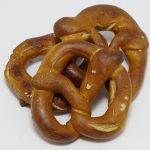
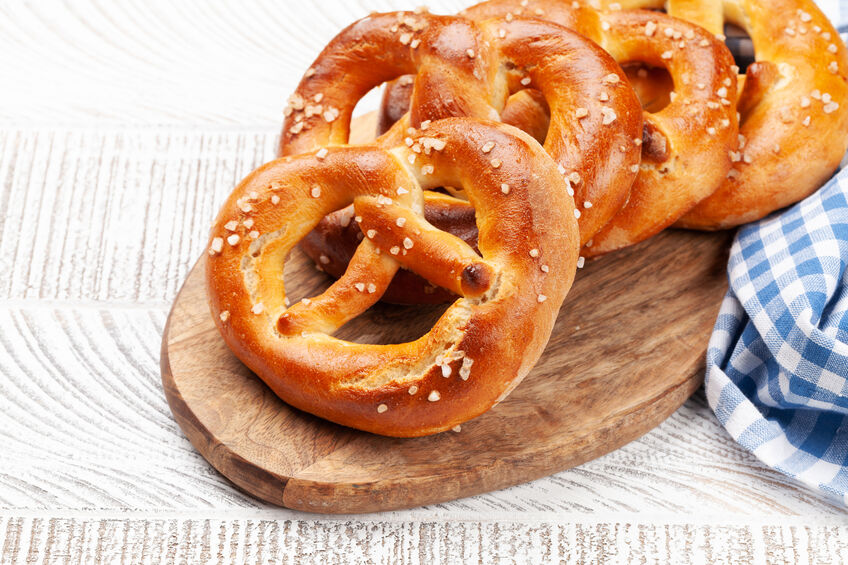
Some believe the three holes in a pretzel represent the Holy Trinity, giving the shape a deeper symbolic meaning. Others point to more practical reasons. The twisted design may have made pretzels easier to hang on racks or carry, especially in markets or bakeries where space and presentation mattered.
While no single explanation has been proven definitively, it is likely that the pretzel’s shape developed through a mix of tradition, symbolism, and practicality.
Why the Shape Works So Well
Beyond its history, the pretzel shape also serves a purpose. The twists and loops create multiple points where the dough overlaps, which affects how the pretzel bakes.
This structure allows heat to distribute more evenly, helping the pretzel develop a consistent texture. The thinner outer sections become crisp, while the thicker parts maintain a satisfying bite. The result is a balance of crunch and density that makes pretzels so enjoyable.
The shape also makes pretzels easy to hold, dip, and share, enhancing their appeal as a snack.
Does the Shape Still Matter Today
Even with modern baking techniques, the traditional pretzel shape remains an important part of the process. It has become a symbol of quality and craftsmanship, especially when pretzels are hand-twisted rather than machine-formed.
The shape also helps distinguish pretzels from other snacks. It is instantly recognizable and tied to a long history of baking traditions. While many variations are available today, the classic twisted form remains the standard.
For many people, the shape is part of the experience. It signals that the pretzel was made with care and attention to detail.
The Role of Hand-Twisting in Pretzel Making
The way a pretzel is shaped can also reflect how it is made. Hand-twisted pretzels often have slight variations in size and form, which adds to their character and authenticity.
This hands-on approach connects modern pretzel making to its roots. It also ensures that each pretzel maintains the structure needed for proper baking and texture.
In contrast, machine-made pretzels can appear more uniform but may lack the same sense of craftsmanship.
A Shape That Has Stood the Test of Time
Few snacks have a shape as recognizable as the pretzel. Its design has remained largely unchanged for centuries, which speaks to its effectiveness. From its symbolic origins to its practical benefits, the pretzel’s shape continues to shape how it looks, feels, and tastes.
Even today, that familiar twist represents more than just a snack. It reflects tradition, technique, and a connection to the past that still matters in modern baking.
Enjoy Hand-Twisted Pretzels from Uncle Henry’s Pretzel Bakery
At Uncle Henry’s Pretzel Bakery, we continue the tradition of hand-twisting pretzels the way they have been made for generations. Since 1983, our family-owned bakery in Lancaster County, Pennsylvania, has focused on simple ingredients, traditional methods, and careful craftsmanship.
Our pretzels are shaped, baked, and finished to deliver the texture and flavor that make this classic snack so enjoyable. If you are looking for pretzels that reflect both history and quality, explore our selection online and discover the difference that handcrafted pretzels can make.